
/ Renton, King County
Septic service in Renton, WA.
Septic pumping, inspections and repairs for the East Renton Plateau, May Valley, the Cedar River corridor and the lake neighborhoods around Lake Desire and Spring Lake. Our Kirkland crews file every pumping report with Public Health – Seattle & King County, and our phones are answered 24/7.
Your nearest office
Kirkland
672 7th Ave
Kirkland, WA 98033
(206) 962-2600
Phones answered 24/7
Renton ZIP codes we serve: 98055, 98056, 98057, 98058, 98059
/ Services in Renton
What we do in Renton.
Septic Tank Pumping
About an hour on site, with the pumping report filed with the county every time.
Learn more →Septic Inspections
Routine and real-estate inspections, with reports filed within 24 hours.
Learn more →Septic Repair
Effluent pumps, alarms, floats, risers, lids, baffles and filters.
Learn more →Drainfield Repair
Distribution boxes, laterals, drainfield treatment and replacement.
Learn more →Maintenance & Monitoring
Routine O&M checks for pump, pressure and advanced systems.
Learn more →Jetting & Sewer Lines
Camera scoping and replacement of the line from your house to the tank.
Learn more →ATU, Oscar & Bio-Microbics
Aerobic treatment units, including Oscar and Bio-Microbics systems.
Learn more →Septic emergency in Renton? 24/7 emergency septic service →
/ Septic in Renton
Highlands to May Valley, we know Renton septic.
Most of Renton proper is on public sewer, but the Renton area is much bigger than the city limits. Thousands of homes in the East Renton Highlands, May Valley, along the Maple Valley Highway and the Cedar River, and on the semi-rural lots between Renton and Issaquah still rely on septic systems. Many were built in the 1960s through the 1980s and are now at the age where inspections, baffle repairs and drainfield work become routine. We serve all of the Renton ZIP codes from our Kirkland office.
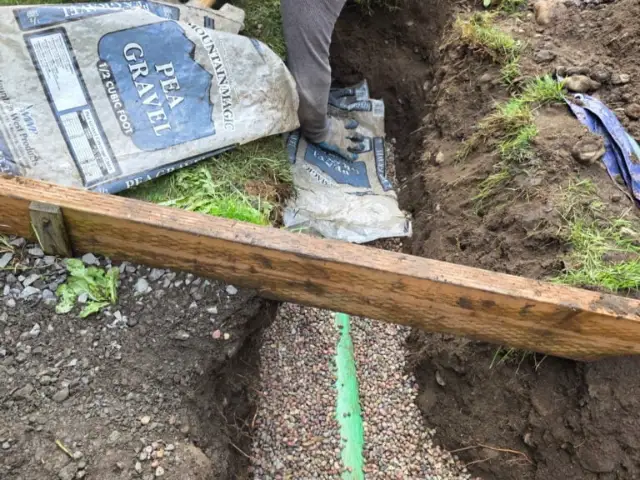
Renton-area septic by setting
The East Renton Highlands sit on dense glacial till, where water soaks in slowly and drainfields depend on careful design and a well-maintained tank. Many lots here are an acre or more and use pressure distribution systems.
May Valley and the Cedar River corridor have streams, wetlands and floodplain nearby. High winter groundwater and strict setbacks mean drainfields are often working near their limit, and any time floodwater reaches a yard the system should be checked.
What we fix most in Renton
Common Renton-area calls are overdue pumping, cracked tank lids, failed effluent pumps and alarms, root intrusion in side sewers, and drainfields that pond in the wet season. We also do plenty of real estate inspections, because buyers moving out from Seattle are often new to septic and need to know what they are getting.
King County requirements in Renton
Every Renton-area septic system answers to Public Health – Seattle & King County under King County Title 13 and state rule WAC 246-272A. A conventional gravity system needs an inspection at least every three years; the pressure distribution systems common on the plateau, along with mounds, sand filters and ATUs, need one every year, or more often if the county or the manufacturer requires it. Our reports go to the county after each visit, so your record in OnlineRME stays current.
Selling on the plateau or in May Valley? King County requires a certified inspection before the title transfers, unless a recent report already covers it, and from February 1, 2027 Washington adds a statewide third-party inspection at sale. Buyers should ask for the as-built drawing and several years of pumping reports. Our King County as-built guide shows how to look up your drawing.
Renton areas we serve
- East Renton Highlands: acreage and older subdivisions on septic, many with pressure systems.
- May Valley: rural properties along May Creek with high groundwater.
- Maple Valley Highway and Cedar River: riverside homes where floodplain and setbacks shape the system.
- Fairwood and older city edges: mostly sewered, with some older homes still on septic.
Lake Desire, Spring Lake and Shady Lake
The small lakes in the unincorporated country east and south of Renton are lined with homes on septic, many of them built as summer places and expanded into year-round houses. Lake lots are usually narrow, the water table is close, and shoreline setbacks leave little room for a drainfield, so these systems often work harder than anything else in the area. When a lakeside drainfield is overloaded, nutrients move toward the water, and that feeds the algae that show up on warm summer days.
Lake owners can do a lot without spending much: keep the tank on a regular pumping schedule, spread laundry across the week, fix running toilets right away, and keep roof drains and patio runoff away from the drainfield. If the house has grown since the system was installed, have it inspected before adding a bedroom, because state rules tie tank size to the number of bedrooms.
Living with the Cedar River
Homes along the Maple Valley Highway sit in the Cedar River floodplain, and the river rises most winters. A drainfield can only treat effluent when there is unsaturated soil beneath it, so when the ground is soaked the whole system slows down. During a high-water stretch, cut water use hard: short showers, no laundry, and no dishwasher until the yard dries out.
After floodwater has been over the tank or drainfield, have the system checked before you go back to normal use. Silt can enter through lids and cleanouts, floats can be knocked out of position, and electrical parts on a pump chamber may need replacing. Pumping is usually best done once the ground has drained, because an empty tank in waterlogged soil can be pushed upward by groundwater.
When sewer reaches your street
Parts of the Renton area are sewered and parts never will be, and the line between them moves as the city grows. Under WAC 246-272A-0025, if a septic system fails inside a sewer utility’s service area and public sewer is within 200 feet, the owner may have to connect instead of repairing, unless a conforming repair can be designed. If you are weighing a costly drainfield repair, it is worth checking where the nearest sewer main sits first.
When a home does connect, the old tank has to be properly abandoned under WAC 246-272A-0300: pumped by an approved pumper, then removed or filled in place with the lid destroyed. We handle that work and file the paperwork, so an empty tank doesn’t become a sinkhole under the lawn years later.
Pressure systems on the plateau’s till
The East Renton Plateau is mostly dense glacial till that drains slowly, so many homes there use pressure distribution: a pump chamber after the septic tank sends measured doses of effluent through small-diameter pipes with drilled holes, spreading it evenly across the drainfield. It is a good design for tight soil, but it relies on moving parts. The pump, the floats, the alarm and the small orifices in the laterals all need regular checks, which is why state code calls for an inspection every year.
The most useful habit for a pressure-system owner is to know the alarm. If it sounds, cut water use right away so the pump has a chance to catch up, then call us. An alarm that is silenced and forgotten is how a simple float problem turns into a flooded pump chamber.
Buying a home east of Renton
Many buyers moving out from Seattle have never owned a septic system. Before you close, look up the as-built on the King County records map, read the last few pumping and inspection reports in OnlineRME, and ask the seller how the system has been used: how many people lived there, whether there is a garbage disposal, whether the alarm has ever gone off. A real estate inspection tells you what condition the tank, baffles, pump chamber and drainfield are in today, so there are no surprises after move-in.
What septic service costs in Renton
Routine pumping starts at $590, including a tank and baffle inspection and effluent filter cleaning (when the filter is reachable through a lid or riser), plus the county pumping report fee and tax. Most Renton addresses carry no extra drive charge. What can change a quote here: a lid buried under decades of plateau lawn, a pump chamber that needs pumping too, or a tank larger than the standard 1,000 gallons on a big-acreage home. We tell you before we come. See our pumping cost page for what goes into a quote.
Our crew in Renton
Renton work is run from our Kirkland office at (206) 962-2600, a straight shot down I-405. The phones are answered 24/7, and when a Cedar River storm or a pump failure can’t wait, we talk you through slowing the water down until a truck arrives. Homeowners on our $10/month maintenance plan get emergency fees waived, next-day emergency service, a yearly filter cleaning and system check, 10% off septic work, and pumping reminders. Renton homeowners on our $10/month maintenance plan get emergency fees waived, next-day emergency service, a yearly filter cleaning and system check, 10% off septic work, and reminders when pumping is due.
Repairs come with the Septic Response Promise: a one-year warranty on most repairs, and if you call about work we have done, we are there the next day if not the same day.
/ King County
Renton is in King County.
Renton-area systems fall under Public Health – Seattle & King County, which keeps the as-builts, the inspection schedule and every report we file. If you want to know what you own before you call, the county septic records map is the place to start.
/ Nearby communities
Do you serve all of Renton?
Yes. We serve homes and businesses throughout Renton (98055, 98056, 98057, 98058, 98059) and the surrounding area. Not sure? Call (206) 962-2600.
How often should a Renton septic tank be pumped?
On the East Renton Plateau, a family of four with a standard 1,000-gallon tank typically lands somewhere in the 3 to 5 year range, sooner with a garbage disposal or a full house. Pressure systems should not be stretched: solids that get past the tank can clog the pump and the small orifices in the laterals. We measure sludge and scum each time and tell you when the next pumping is due.
Do you file the pumping report?
Yes. We file it with Public Health – Seattle & King County after every pumping.
Is Renton on sewer or septic?
The city of Renton is mostly on public sewer. Many homes in the East Renton Highlands, May Valley and along the Cedar River use septic systems.
How do I know if my Renton home has a septic system?
Check your sewer bill (no sewer charge often means septic), look for tank lids in the yard, or search the King County septic records map by address.
Do you do septic inspections for Renton home sales?
Yes. We perform the certified inspection King County requires before title transfer and file the report with the county.
Will Cedar River flooding damage my septic system?
High water does not usually destroy a system, but it can leave silt in the tank, move floats and damage pump-chamber electrical parts. Use as little water as possible while the ground is saturated, then have the system checked once the floodwater drains.
Can I add an ADU or a bedroom on a septic property near Renton?
Possibly, but the system has to be able to handle it. Tank size in Washington is tied to the number of bedrooms, and any expansion needs health officer approval. An inspection and the as-built show whether your current system and reserve area have room.
Is my Lake Desire or Spring Lake septic system affecting the lake?
A system that is pumped on schedule and not overloaded treats wastewater before it reaches groundwater. Overloaded or failing drainfields near the shoreline can add nutrients that feed algae, so regular pumping and inspections protect both your property and the lake.