
/ Service 04
Drainfield repair in King & Snohomish County
A soggy yard, sewage odors or slow drains that pumping does not fix can point to a drainfield problem. We find the cause and repair what is actually broken, from distribution boxes to laterals to the full drainfield.
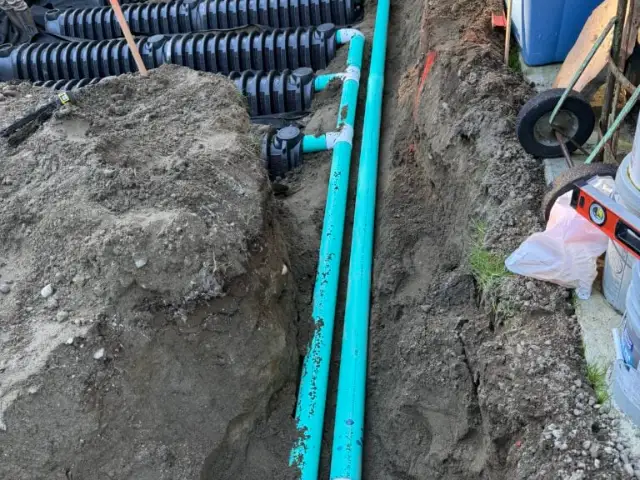
/ Drainfield repair and jetting
Your drainfield is the largest and most expensive part of your septic system, and it does the final, most important step of treatment. It is also the part homeowners worry about most. Wet ground, odors or slow drains can make it feel like the whole field has failed. Very often, it has not. Many struggling drainfields can be brought back into service with the right diagnosis, targeted repairs and drainfield jetting.
Septic Response diagnoses, repairs and jets drainfields across all of King County and every city in Snohomish County. We tell you honestly whether your field can be saved, fix what can be fixed, and back our repairs with the Septic Response Promise.
/ The Septic Response Promise
1-year warranty on most repairs. And whenever you call us about work we have done, we are there the next day, if not the same day.
We stand behind our work because we plan to be your septic company for the long haul.
How a drainfield works
After wastewater settles in the septic tank, the clarified liquid, called effluent, flows to the drainfield. There it spreads through perforated pipes, called laterals, laid in trenches or beds. The effluent trickles into the soil, where natural processes filter it and break down what remains. Healthy soil, enough room and an even spread of water are what make a drainfield work.
In western Washington you will find several designs. Gravity drainfields let effluent flow downhill into the trenches. Pressure distribution systems use a pump to send effluent through small pipes with drilled holes so every part of the field gets an even share. Mound systems build the treatment area up above shallow soil or high groundwater, and drip systems deliver small doses through tubing. Each has its own strengths and its own common problems, and we work on all of them.
What goes wrong with drainfields
Over time, a living layer called biomat forms where the effluent meets the soil. A thin biomat is normal and even helpful. Trouble starts when something overloads the field or clogs it faster than the soil can keep up. The most common causes we see are:
- Solids escaping the tank. When a tank goes too long without pumping, or a baffle or filter fails, sludge and scum flow into the laterals and coat the soil. This is the number one cause of drainfield trouble, and the most preventable.
- Too much water at once. Several loads of laundry in one day, a running toilet or a leaking fixture can send far more water than the field is designed to handle.
- Uneven distribution. On gravity systems, a tipped distribution box or a settled pipe can send most of the water to one trench. On pressure systems, clogged orifices or unbalanced laterals do the same. One part of the field is overloaded while another sits dry.
- Clogged laterals. Biomat, solids and debris build up inside the pipes and block the holes that let effluent out.
- Roots. Trees and large shrubs planted too close to the field send roots into the pipes.
- Compaction and damage. Driving, parking, livestock, construction and heavy equipment crush pipes and compact the soil so it can no longer absorb water.
- Surface and groundwater. Gutters, driveways and slopes that send rainwater over the field, or high winter groundwater, can saturate it.
- Pump and dosing problems. On pressure, mound and drip systems, a failing pump, a stuck float or a timer problem can underdose or flood the field.
Signs your drainfield needs attention
- Soggy, spongy ground or standing water over the drainfield, especially in dry weather
- Effluent or sewage surfacing in the yard
- Sewage odors over the field
- Grass over the field that is greener and faster-growing than the rest of the yard
- Slow drains or backups even after the tank has been pumped
- A pump alarm that sounds after heavy water use
Any of these deserves a call. Surfacing effluent in particular is a health hazard and something the county health departments take seriously.
How we diagnose drainfield problems
The fix depends entirely on the cause, so we start by finding it. A typical drainfield diagnosis includes:
- Checking the tank first. We measure sludge and scum and check baffles and the effluent filter. If solids are escaping, the tank is part of the problem and part of the solution.
- Following the flow. We look at the line from the tank to the field, the distribution box or pump chamber, and anything between them.
- Testing the laterals. We open cleanouts and lateral ends where they exist and check whether effluent is reaching every part of the field. On pressure systems we check the pressure at the ends of the laterals to see whether the system is balanced.
- Checking the pump and controls on pressure, mound and drip systems to make sure the field is being dosed correctly.
- Walking the field. We look for wet areas, surfacing, damage, roots and drainage from roofs, driveways and slopes.
- Reviewing records. Your as-built drawing and past reports tell us how the field was built and how it has been performing.
Then we explain what we found, what it means and what your options are, before any work begins.
Drainfield repairs we perform
- Drainfield jetting. High-pressure water clears biomat, solids and debris from inside the laterals and opens the holes so effluent can reach the soil again.
- Clearing clogged lines between the tank and the field.
- Repairing broken, crushed or separated pipes in the field and in the lines leading to it.
- Distribution box repair and leveling so gravity fields share the flow evenly.
- Rebalancing pressure laterals and clearing clogged orifices so every lateral gets its share.
- Pump, float and control repairs that restore correct dosing to pressure, mound and drip fields.
- Adding or repairing cleanouts and lateral access so the field can be maintained and jetted in the future.
- Fixing the source of the problem, such as a missing baffle, a clogged filter or a leaking fixture, so the field is not overloaded again.
What drainfield jetting does
Drainfield jetting sends a high-pressure water stream through the laterals to scour the inside of the pipes. It removes the buildup that blocks the holes and pushes loosened material out to where it can be removed. It works best on fields where the pipes are intact and the soil itself is still able to absorb water, which describes many fields that seem to be failing. Jetting is often paired with pumping the tank, so the solids that caused the clog are removed at the same time. On pressure distribution systems, cleaning the laterals and rebalancing the system can restore even distribution across the whole field. For more on jetting and the lines between your house and tank, see jetting and sewer lines.
Can my drainfield be saved?
Often it can. Fields that are clogged, unevenly loaded, overloaded by too much water or affected by a failed pump or a single broken pipe can usually be repaired. A field is more likely to be at the end of its life when the soil itself has been sealed by years of solids, when the field is permanently saturated by groundwater, or when large sections have been crushed or are far below current standards.
We will tell you plainly which situation you are in. If a field truly has failed, a replacement in Washington requires a design by a licensed designer and a permit from the county health department. We will explain what we found, document the condition of your system, and help you understand the next steps and timeline so you can make a good decision.
Questions to ask before you replace a drainfield
If someone has told you your drainfield needs to be replaced, it is worth asking a few questions before you commit to a project of that size:
- Has the tank been checked? If solids are escaping because of a full tank, a missing baffle or a clogged filter, the field may recover once the source is fixed and the laterals are cleaned.
- Have the laterals been opened and tested? A field cannot be judged from the surface alone. Clogged or unbalanced laterals look like a failed field until they are cleared.
- Is the pump dosing correctly? On pressure and mound systems, a pump or timer problem can flood one area and starve another.
- Is surface or groundwater the real issue? Redirecting gutters or runoff can be all a wet-season field needs.
- What exactly failed, and where? Sometimes one damaged section can be repaired without disturbing the rest of the field.
We are happy to provide a second opinion. If the field truly cannot be saved, we will tell you that too.
What to expect after a drainfield repair
After jetting or repairs, the field needs a little time to settle back into a normal rhythm. Go easy on water use for the first few days, spread laundry out and fix any leaks we pointed out. Wet areas that were caused by overloading often dry up over the following days and weeks as the field begins to accept water evenly again. On pressure systems, we confirm the pump and controls are dosing correctly before we leave. Keep an eye on the area, and if anything seems wrong, call us. Under the Septic Response Promise, we will be there the next day, if not the same day.
Buying or selling a home with drainfield concerns
Drainfield questions come up often during home sales, because both counties require a septic inspection when a property changes hands. If an inspection notes drainfield concerns, do not panic. Ask what was actually observed, whether the laterals were tested and what the likely cause is. Many concerns can be resolved with jetting or targeted repairs before closing. In Snohomish County, surfacing sewage is one of the deficiencies that can trigger enforcement, and unresolved issues pass to the buyer, so it pays to address them early. See our guide to selling a home on septic in Snohomish County.
Protecting your drainfield
- Pump on schedule. Keeping solids in the tank is the best thing you can do for your field. See septic tank pumping.
- Spread out water use. Run laundry across the week and fix leaks quickly.
- Keep it clear. No driving, parking, livestock, sheds, patios or construction on the field.
- Plant carefully. Grass is ideal. Keep trees and large shrubs well away from the laterals.
- Manage water. Direct gutters, sump pumps and driveway runoff away from the field.
- Locate before you dig. If you are installing irrigation, fencing or landscaping, have the field located first.
- Keep inspections current so dosing problems and worn parts are caught early. See septic inspections.
Drainfields and western Washington weather
Our long, wet winters are hard on drainfields. Groundwater rises, soils stay saturated and fields that work perfectly in August can struggle in January. If your field only has trouble in the rainy months, the cause may be groundwater or surface water rather than a failing field, and redirecting drainage or reducing water use during wet periods can make a big difference. Pressure distribution and mound systems are common here precisely because of these conditions, and keeping their pumps and controls in good shape matters most in winter.
A few seasonal habits help. Before the rains start in the fall, make sure gutters and downspouts drain away from the field and that no new low spots are collecting water over it. During long wet stretches, spread out laundry and avoid filling hot tubs or draining pools into the system. After windstorms knock out power, keep water use low for several hours when the power returns so a pump system does not send one large surge onto saturated ground. And if your field struggles every winter, tell us. A seasonal pattern is a clue, and it helps us find the right fix instead of guessing.
Financial help in Snohomish County
Residential owners in Snohomish County may qualify for help through the Health Department’s Savvy Septic program, which offers rebates on inspections, pumping, risers and select minor repairs and financial assistance for major repairs. Completing the free online Septic Care Workshop makes owners eligible.
Drainfield repair across King and Snohomish County
Our Kirkland office serves all of King County and our Woodinville office serves every city in Snohomish County. Both crews work both counties.
Why Septic Response for drainfield repair
Drainfield problems are where honest diagnosis matters most, because the difference between a repair and a replacement is enormous. We find the real cause, explain it in plain English and recommend only the work your system actually needs. Our technicians are WOSSA-certified, certified on-site system maintainers in King County, and licensed, bonded and insured. Our repairs come with the Septic Response Promise. And if your drainfield can be saved, we will do everything we can to save it.
/ Where
Serving both counties.
Our Kirkland office covers King County and our Woodinville office covers every city in Snohomish County.
/ FAQ
Can a failing drainfield be repaired?
Often, yes. Clogged laterals, uneven distribution, broken pipes and dosing problems can usually be repaired. Jetting and rebalancing bring many struggling fields back into service.
What is drainfield jetting?
A high-pressure water stream is sent through the drainfield laterals to clear biomat, solids and debris, reopening the holes so effluent can reach the soil again.
What are the signs of a failing drainfield?
Soggy ground or standing water over the field, surfacing effluent, sewage odors, unusually green grass and slow drains or backups even after the tank has been pumped.
What causes drainfield failure?
Most often solids escaping a tank that has not been pumped, followed by too much water at once, uneven distribution, roots, compaction from vehicles or construction, and high groundwater.
Will pumping my tank fix my drainfield?
Pumping removes the source of new solids and is usually part of the solution, but a clogged field may also need jetting, line repairs or rebalancing.
How do you know if my drainfield can be saved?
We check the tank, follow the flow to the field, test the laterals and dosing, and walk the field. If the soil can still absorb water and the pipes can be repaired, the field can usually be saved.
What if my drainfield has completely failed?
In Washington a drainfield replacement requires a design by a licensed designer and a county permit. We document what we found and explain your options and next steps.
Why is my drainfield wet only in winter?
High winter groundwater and surface runoff can saturate a field that works fine in summer. Redirecting drainage and reducing water use in wet months can help.
Is there financial help for drainfield repairs?
In Snohomish County, the Health Department’s Savvy Septic program offers rebates on select minor repairs and financial assistance for major repairs for residential owners.
Do you repair drainfields in both King and Snohomish County?
Yes. Our Kirkland and Woodinville crews both serve both counties.
/ Other services