
/ North Bend, King County
Septic service in North Bend, WA.
Septic pumping, pump and alarm repair and inspections for North Bend, from Wilderness Rim and Riverbend to the cabins along the Middle Fork and the rural lots toward Cedar Falls. Our Kirkland crews file every pumping report with Public Health – Seattle & King County, and our phones are answered 24/7.
Your nearest office
Kirkland
672 7th Ave
Kirkland, WA 98033
(206) 962-2600
Phones answered 24/7
North Bend ZIP codes we serve: 98045
/ Services in North Bend
What we do in North Bend.
Septic Tank Pumping
About an hour on site, with the pumping report filed with the county every time.
Learn more →Septic Inspections
Routine and real-estate inspections, with reports filed within 24 hours.
Learn more →Septic Repair
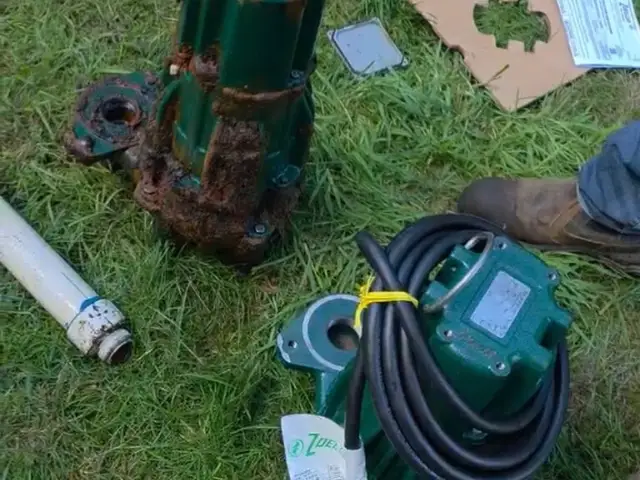
Effluent pumps, alarms, floats, risers, lids, baffles and filters.
Learn more →Drainfield Repair
Distribution boxes, laterals, drainfield treatment and replacement.
Learn more →Maintenance & Monitoring
Routine O&M checks for pump, pressure and advanced systems.
Learn more →Jetting & Sewer Lines
Camera scoping and replacement of the line from your house to the tank.
Learn more →ATU, Oscar & Bio-Microbics
Aerobic treatment units, including Oscar and Bio-Microbics systems.
Learn more →Septic emergency in North Bend? 24/7 emergency septic service →
/ Septic in North Bend
Mountain views, wet winters, we know North Bend septic.
North Bend sits under Mount Si where the three forks of the Snoqualmie River come together. The downtown core is on city sewer, but a large share of homes around it are on septic, from the Wilderness Rim and Riverbend neighborhoods to the cabins along the Middle Fork and the rural lots out toward Cedar Falls. Heavy rain, a high water table and long winters make North Bend one of the more demanding places in King County to own a septic system, and we work here year-round.
What makes North Bend different
North Bend gets far more rain than Seattle, and much of the valley floor sits near the river with groundwater close to the surface for months at a time. Many systems here are pressure distribution or mound systems that rely on an effluent pump to move water to the drainfield. When the pump, a float or the alarm fails during a storm, the tank fills quickly, so it pays to have those parts checked on schedule.
Up on the hillsides and terraces, lots tend to have rockier glacial soils and shallow usable soil. Systems there were often designed carefully around limited space, so overloading them with extra occupants, a hot tub drain or a garage apartment can cause trouble fast.
What we fix most in North Bend
Our most common North Bend calls are high-water alarms during rain events, failed effluent pumps and floats, drainfields that stay wet into spring, and buried tank lids on older cabins. We also replace cracked lids and add risers so systems are easy to service in the snow. Vacation and rental properties often need their pumping schedule adjusted for heavier use.
King County requirements in North Bend
North Bend-area systems are regulated by Public Health – Seattle & King County. Gravity systems need an inspection at least every three years. Pressure distribution and mound systems, which are common in the upper valley, need one every year under state code, or more often if the county or manufacturer requires it. We file each report after the visit so your record stays current.
If you’re selling a North Bend home on septic, King County requires a certified inspection before the title transfers unless a recent report covers it, and Washington adds a statewide third-party inspection from February 1, 2027. Buyers of cabins and seasonal homes should ask how the system was used, because a cabin system sized for weekends may not suit full-time living. Our King County as-built guide shows how to look up your drawing.
North Bend areas we serve
- Wilderness Rim: a wooded community on septic, with many pressure systems and steep driveways that need the right truck.
- Riverbend and the Middle Fork: river and forest homes, some seasonal, close to the water table.
- Cedar Falls Way and Tanner: rural lots and acreage east and south of downtown on private systems.
- Downtown and Si View: mostly on city sewer, with septic on some properties at the edges of town.
Cabins along the Middle Fork
Many of the homes up the Middle Fork and out toward the forks of the Snoqualmie started as weekend cabins, and some still are. A seasonal system has its own risks: floats can stick after months without use, rodents can chew alarm wiring, and a system designed for occasional use can struggle when a cabin becomes a full-time home. Before a busy season or a big group visit, have the pump chamber and alarm checked and the tank pumped if it’s due.
Hikers, guests and short-term rentals
North Bend is a base for Mount Si, Rattlesnake Ledge and the Middle Fork trails, and plenty of local homes host guests or run short-term rentals. Septic systems are sized by bedrooms, not by how many people fit in the house. A full house every weekend can push a system past its design flow, so rental owners should pump more often, post a short list of what not to flush, and make sure guests know to stop running water if an alarm sounds.
Windstorms and power outages
Pressure and mound systems depend on an electric effluent pump, and winter windstorms in the upper valley can knock out power for hours or days. While the power is out, the pump chamber has only its reserve space to hold incoming water. Use as little water as you can during an outage, and when power returns, give the pump time to work through the backlog before running laundry. If the alarm comes on after power is restored and doesn’t clear, call us.
Rocky ground on the terraces
The terraces and hillsides around North Bend often have shallow soil over rock or dense glacial material, which leaves little depth for treatment. That is why so many homes here use pressure distribution or mounds: they spread effluent evenly or build up the treatment layer above the native ground. These systems work well, but they don’t forgive solids. Keeping the tank pumped and the effluent filter clean protects the pump and the small distribution orifices.
Snow, frost and access
Upper valley winters can bring snow and frozen ground. Keep the path to your tank lids and pump-chamber access clear, and don’t pile plowed snow on the drainfield, because compacted snow and ice slow down how the soil drains in spring. If your lids are buried, risers make winter service far easier.
What septic service costs in North Bend
Routine pumping starts at $590, including a tank and baffle inspection and effluent filter cleaning (when the filter is reachable through a lid or riser), plus the county pumping report fee and tax. In North Bend the extras tend to be a pump chamber that also needs pumping, a lid buried in forest duff, or a long gravel drive. We’ll tell you before we come. See our pumping cost page for what goes into a quote.
Our crew in North Bend
North Bend is served from our Kirkland office at (206) 962-2600, straight out I-90. The phones are answered 24/7, and when a storm sets off a high-water alarm we’ll tell you how to slow the water down until a truck reaches you. Members of our $10/month maintenance plan get emergency fees waived, next-day emergency service, a yearly filter cleaning and system check, 10% off septic work, and pumping reminders. North Bend homeowners on our $10/month maintenance plan get emergency fees waived, next-day emergency service, a yearly filter cleaning and system check, 10% off septic work, and reminders when pumping is due.
Repairs come with the Septic Response Promise: a one-year warranty on most repairs, and if you call about work we have done, we are there the next day if not the same day.
/ King County
North Bend is in King County.
North Bend’s septic permits, as-builts and inspection reports are held by Public Health – Seattle & King County. For older cabins without a drawing online, the county will search its files if you email the parcel number and address.
/ Nearby communities
Do you serve all of North Bend?
Yes. We serve homes and businesses throughout North Bend (98045) and the surrounding area. Not sure? Call (206) 962-2600.
How often should a North Bend septic tank be pumped?
Full-time North Bend households usually pump every 3 to 5 years, depending on tank size and use. Weekend cabins can go longer, but pressure and mound systems should still be checked every year because pumps and floats wear even when the tank is filling slowly. We measure on every visit and tell you when the next pumping is due.
Do you file the pumping report?
Yes. We file it with Public Health – Seattle & King County after every pumping.
Is North Bend on sewer?
The downtown core is on city sewer. Many surrounding neighborhoods, including Wilderness Rim, Riverbend and rural areas along the river forks, use septic systems.
Why does my North Bend septic alarm go off when it rains?
Heavy rain raises groundwater and can slow the drainfield or let water into the tank. A failing pump or float can also trigger the alarm. Cut water use and call us.
Do you service cabins and vacation rentals in North Bend?
Yes. We pump and inspect seasonal cabins and short-term rentals and can set a schedule that fits how often the home is used.
My North Bend cabin sits empty all winter. What should I check before using it?
Have the pump chamber, floats and alarm tested and look for chewed wiring or a stuck float. If the tank is due, pump it before a heavy-use season.
What should I do with my septic system during a North Bend power outage?
Use as little water as possible, because the pump cannot move effluent while the power is out. When power returns, wait for the pump to catch up before heavy use. If the alarm stays on, call us.
Can a short-term rental in North Bend overload a septic system?
Yes. Systems are sized by bedrooms, and frequent full houses can exceed the design flow. Pump more often, keep guests informed, and have the system inspected every year.