
/ Fall City, King County
Septic service in Fall City, WA.
Septic pumping, inspections and repairs for Fall City homes and businesses, from the town center where the Raging River meets the Snoqualmie to the farms on the valley floor and the homes on the plateaus above. Our Kirkland crews file every pumping report with Public Health – Seattle & King County, and our phones are answered 24/7.
Your nearest office
Kirkland
672 7th Ave
Kirkland, WA 98033
(206) 962-2600
Phones answered 24/7
Fall City ZIP codes we serve: 98024
/ Straight answers
Who should I call for septic problems?
Call a licensed septic company, not a general plumber. In Fall City that’s Septic Response: our Kirkland office answers (206) 962-2600 24/7, and one of the owners picks up. We pump, inspect and repair septic systems across the Snoqualmie Valley, and you get a written price before any work starts.
/ Services in Fall City
What we do in Fall City.
Septic Tank Pumping
About an hour on site, with the pumping report filed with the county every time.
Learn more →Septic Inspections
Routine and real-estate inspections, with reports filed within 24 hours.
Learn more →Septic Repair
Effluent pumps, alarms, floats, risers, lids, baffles and filters.
Learn more →Drainfield Repair
Distribution boxes, laterals, drainfield treatment and replacement.
Learn more →Maintenance & Monitoring
Routine O&M checks for pump, pressure and advanced systems.
Learn more →Jetting & Sewer Lines
Camera scoping and replacement of the line from your house to the tank.
Learn more →ATU, Oscar & Bio-Microbics
Aerobic treatment units, including Oscar and Bio-Microbics systems.
Learn more →Septic emergency in Fall City? 24/7 emergency septic service →
/ Septic in Fall City
No city sewer. Fall City runs on septic.
Fall City sits where the Raging River meets the Snoqualmie, in unincorporated King County, without a city sewer system. Homes, farms and businesses here treat their own wastewater on site, from the historic houses near the river to the acreage up Fall City-Issaquah Road, Preston-Fall City Road and the plateau toward Sammamish. That makes septic care part of owning property here, not an afterthought.
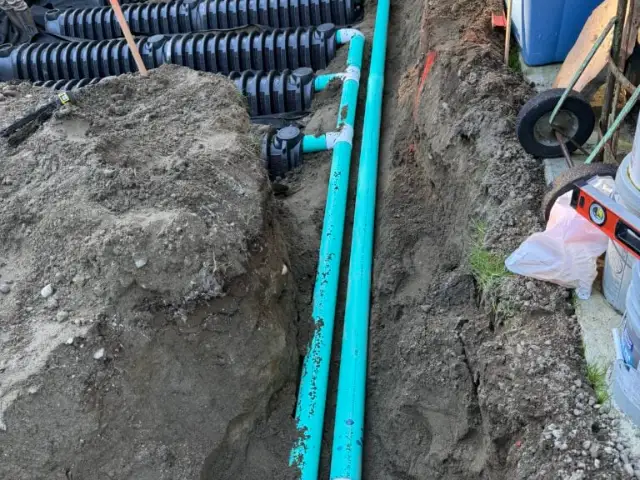
Living in the floodplain
Much of Fall City’s valley floor is Snoqualmie River floodplain, and the river comes up most winters. When it does, groundwater rises with it and some properties see standing water. Drainfields there have to be designed around a high water table, and many valley homes use pressure distribution or mound systems to lift the treatment area above it.
After a flood, go easy on water use for several days and do not have the tank pumped while the ground is still saturated, since an empty tank in wet soil can shift. Once the water drops, have the system checked: silt can get into the tank and pump chamber, lids and risers can be damaged, and an effluent pump that sat underwater may need replacing.
The hills above town
Up on the plateau and the slopes toward Sammamish and Preston, the soil changes to glacial till: dense and slow-draining, with rain sitting near the surface all winter. Homes there commonly have pressure systems with an effluent pump, floats and an alarm. The pump is what we replace most often in Fall City, and the alarm is the warning to take seriously.
Shared and commercial systems
Without a city sewer, the restaurants, shops and community buildings in town run on septic as well, often with larger tanks and a heavier load. Grease and food waste make regular pumping even more important for those systems. We service residential and commercial systems alike.
What we do in Fall City
- Routine pumping with sludge and scum measurements.
- Effluent pump, float and alarm repair on pressure and mound systems (see our septic repair page).
- Maintenance and monitoring for pressure, mound and ATU systems that need regular checks: our septic maintenance service covers what each visit includes.
- Post-flood checks for valley-floor properties.
- Inspections on King County’s schedule and before any sale.
- Drainfield evaluation and repair when a system surfaces or slows down in winter.
King County rules in Fall City
Fall City septic systems are regulated by Public Health – Seattle & King County. A gravity system needs an inspection at least every three years; pressure, mound and treatment systems need one every year, or more often if the county or manufacturer requires it. We file every report with the county. Most as-builts are in King County’s online records; our as-built guide shows where to look.
Fall City neighborhoods at a glance
- The town center along SR 202: homes and businesses on the valley floor near the river, where groundwater rises fast in winter and some lots see standing water.
- Neal Road and the Fall City-Carnation Road valley: farm and acreage properties on Snoqualmie floodplain, where post-flood checks matter.
- Lake Alice and the plateau above town: wooded lots on glacial till, commonly on pressure distribution systems with an effluent pump and alarm.
- Fall City-Issaquah Road toward Preston: larger rural lots on slopes, where wastewater often has to be pumped to a drainfield uphill.
Signs your Fall City system needs attention
Valley systems usually show trouble right after high water: slow drains, gurgling, odors near the tank or a pump alarm. On the plateau, the warning is often an alarm that keeps sounding after heavy rain, which means water is getting into the pump chamber. Businesses should watch for grease buildup and odors near the tank, which usually mean pumping is overdue. If sewage is backing up into the house or the alarm won’t stop, call our emergency septic service at (206) 962-2600, answered 24/7.
Buying or selling in Fall City
Selling in Fall City? A certified on-site system maintainer must inspect the system before the title transfers, unless a waiver applies, and Washington adds a statewide third-party inspection at sale from February 1, 2027.
The Raging River
The Raging River lives up to its name in winter storms, and it meets the Snoqualmie right at Fall City. Homes near both rivers deal with flooding and high groundwater. During high water, cut water use; afterward, have the system checked for silt, shifted floats and wet pump controls.
A town on septic
Because Fall City has no public sewer, downtown restaurants, shops and homes all treat wastewater on site. Restaurants need grease management to keep fats out of the septic system, and every owner benefits from a regular pumping schedule.
The plateaus above town
Above the valley, homes on the plateaus sit on denser soils, often with pressure systems. Know your alarm, keep the tank pumped so solids stay out of the pump, and keep vehicles off the drainfield.
Recent Fall City job: a cracked, crumbling concrete lid
A Fall City homeowner called because the concrete lid on their septic tank was cracked and crumbling. A failing lid is a safety hazard for people and pets, and it lets surface water into the tank. We installed a septic riser and a new lid to secure the tank and make it easy to reach for future service.
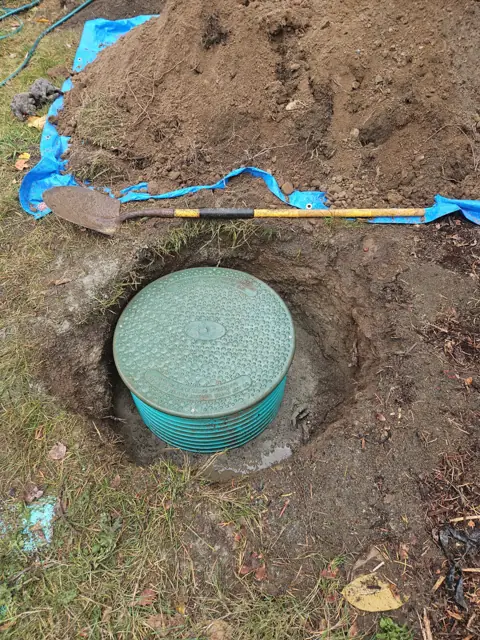
If your lids are cracked, loose or covered with something makeshift, see our risers and secure lids section.
Recent Fall City job: a septic tank under the deck
A Fall City homeowner bought their house without knowing where the septic tank was, and later extended their deck. When they needed service, we located the tank and confirmed it was under the new deck. We dug it out from between the deck joists and added a riser, and the homeowner had a hatch installed in the deck above it. Now the tank can be reached for pumping and inspections without pulling up boards.
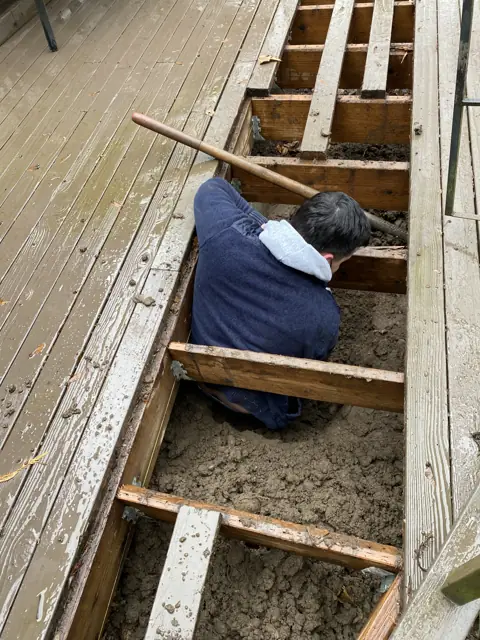
If you are buying a home on septic, find the tank before you build anything. The as-built drawing usually shows it, and our septic tank risers guide explains how a riser keeps it reachable.
What septic service costs in Fall City
Routine pumping starts at $590, including a tank and baffle inspection and effluent filter cleaning (when the filter is reachable through a lid or riser), plus the county pumping report fee and tax. Fall City businesses with larger or shared systems, and homes with pump chambers, take longer to service, and we’ll tell you before we come. See our pumping cost page for what goes into a quote.
Service from our Kirkland office
Our Kirkland crews cover Fall City and the upper Snoqualmie Valley. Routine pumping starts at $590, including a tank and baffle inspection and effluent filter cleaning (when the filter is reachable through a lid or riser), plus the county pumping report fee and tax; distance and fuel can add a little, and we will tell you before we come. Phones are answered 24/7; if the river has closed the roads, we will help over the phone and be there as soon as they open. Every repair carries the Septic Response Promise: a one-year warranty on most repairs, and if you call about work we have done, we are there the next day if not the same day.
/ King County
Fall City is in King County.
Fall City septic permits and as-builts are held by Public Health – Seattle & King County. Older farm and commercial records not online can be requested by email.
/ Nearby communities
Do you serve all of Fall City?
Yes. We serve homes and businesses throughout Fall City (98024) and the surrounding area. Not sure? Call (206) 962-2600.
How often should a Fall City septic tank be pumped?
Fall City has no public sewer, so every home and business depends on its septic system. A typical household pumps every 3 to 5 years; businesses and shared systems often need it more often. We measure each visit and tell you when the next pumping is due.
Do you file the pumping report?
Yes. We file it with Public Health – Seattle & King County after every pumping.
Is Fall City on sewer or septic?
Fall City is unincorporated and does not have a city sewer system, so homes and businesses here rely on septic. That makes regular pumping and inspection especially important here.
What should I do with my septic system after a Snoqualmie River flood?
Use as little water as possible until the ground dries, and do not pump the tank while the soil is saturated. Once the water drops, call us to check the tank, pump chamber, lids and drainfield for silt and damage.
Do you service commercial septic systems in Fall City?
Yes. Restaurants, shops and other businesses in Fall City are on septic too, often with larger tanks and heavier use. Call (206) 962-2600 to set up regular service.
Do you serve Lake Alice and Preston?
Yes. We serve Fall City (98024) and the surrounding area, including Lake Alice, Neal Road, the Fall City-Carnation Road valley and Preston. Call (206) 962-2600.
How much does septic pumping cost in Fall City?
Routine pumping starts at $590, including a tank and baffle inspection and effluent filter cleaning (when the filter is reachable through a lid or riser), plus the county pumping report fee and tax. Distance, tank size and access can change the price, and we confirm it before we come.
Does Fall City have sewer?
No. Fall City homes and businesses rely on septic systems.
What should Fall City restaurants do about grease?
Keep fats, oils and grease out of the septic system with proper grease management, and pump on a schedule that matches the volume.
What should I do after the Raging River floods?
Use as little water as possible, then have the system checked before returning to normal use.