
/ Kirkland, WA
New to a septic system? Start here.
Plenty of Kirkland buyers move into their first home on septic without knowing how it works. This is what to do in your first few months, and what our new-owner visit covers.
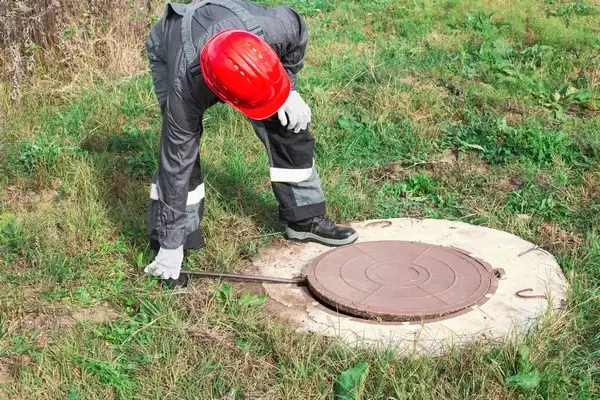
Your first three steps
- Find your paperwork. Look up your King County as-built and the last inspection report. Your seller’s inspection is a good starting point.
- Learn your system type. Gravity systems are inspected every 3 years in King County. Pressure, mound, sand filter and aerobic systems need inspections more often.
- Set a pumping schedule. Most households pump every few years, but the right interval depends on tank size and how many people live there. We measure and tell you.
What our new-owner visit covers
- A walkthrough of where your tank, lids and drainfield are
- What each component does, including pumps, floats and alarms
- Your pumping and inspection schedule
- What can and cannot go down the drain
- Early warning signs to watch for
What not to put down the drain
Wipes (even “flushable”), grease, paint, solvents, medications and large amounts of bleach. Spread laundry across the week rather than doing it all in one day. Our septic maintenance habits post has the full list.
How a septic system works, in one minute
Everything that goes down a drain flows to the septic tank. In the tank, solids settle to the bottom as sludge, grease and light material float to the top as scum, and the liquid in between flows out through the outlet baffle and effluent filter. From there it goes to the drainfield, either by gravity or by a pump, and the soil finishes the treatment. Pumping removes the sludge and scum before they build up far enough to escape to the drainfield. That is the whole job of maintenance: keep solids in the tank and out of the soil.
Where septic still exists around Kirkland
Most of Kirkland is on sewer, but the city has grown by annexation, and some older and larger lots, especially in the northern neighborhoods and on properties built before sewer lines reached them, still have septic systems or old tanks. Two houses on the same street can be different. Your sewer bill is a quick clue: no sewer charge usually means septic. The King County septic records map will confirm it.
Your first year, month by month
First month: find the as-built and recent reports, walk the yard to spot the lids and drainfield, and learn where the alarm panel is if you have one. First three months: book a new-owner visit or a pumping, so you have measurements and a baseline. Before the first winter: make sure downspouts and sump discharge drain away from the drainfield and that the lids are secure. End of the first year: if you have a pressure, mound or ATU system, schedule the annual inspection King County requires.
If you have a pump and an alarm
Many newer or hillside systems use an effluent pump to send water to the drainfield, with floats that turn it on and off and a high-water alarm that warns you when the level rises too far. If the alarm sounds, cut water use immediately so the pump can catch up, and call us. Some systems are timer-dosed, sending small doses on a schedule, and a heavy laundry day can trigger the alarm even when nothing is broken. Never just silence it and keep using water.
Landscaping your new yard
New owners often want to plant, build or fence the backyard right away. Keep decks, sheds, patios, play structures, parked vehicles and sprinklers off the tank, the drainfield and the reserve area. Grass and shallow-rooted groundcovers are the best cover. Avoid trees and water-loving plants near the drainfield, and don’t add fill, bark or gravel over it.
Help paying for septic work
King County offers a septic system maintenance and side sewer repair rebate program, and Craft3 Clean Water Loans help with bigger repairs. Our $10/month maintenance plan adds a yearly filter cleaning and system check, 10% off septic work, waived emergency fees and reminders when pumping is due.
Warning signs to know
Slow drains throughout the house, gurgling after a flush, a sewage smell outside, wet or unusually green grass over the drainfield, or water backing up into a tub or floor drain all mean something needs attention. Stop heavy water use and call. Our phones are answered 24/7.
Frequently asked questions
I just bought a home on septic. What should I do first?
Find your as-built and last inspection report, then book a new-owner visit so you know where everything is and when it is due.
How do I know when my tank needs pumping?
We measure the sludge and scum layers. Many homes land between every two and five years, depending on tank size and household.
Is Kirkland on septic?
Most of Kirkland is on sewer, but some neighborhoods and older properties still use septic systems. Your as-built or a property record will tell you.
How do I find the septic tank lids on my Kirkland property?
Start with the as-built drawing. If the lids are buried, we probe first and use an electronic locator only when needed, and we can install risers so the lids sit at grade.
What should I do if my septic alarm goes off?
Cut water use right away so the pump can catch up, then call us. Timer-dosed systems can alarm after heavy use even when nothing is broken, but an alarm that doesn’t clear needs attention.
Are septic additives worth using?
No. Washington rules prohibit additives unless specifically approved by the Department of Health, and they can add solids or harm the drainfield. Regular pumping is what keeps a system healthy.