
/ Martha Lake, Snohomish County
Septic service in Martha Lake, WA.
Septic pumping, inspections, sewer conversions and side sewer work for Martha Lake, the unincorporated community between Lynnwood and Mill Creek. Our Woodinville crews file every pumping report with the Snohomish County Health Department, and our phones are answered 24/7.
Your nearest office
Woodinville
23321 57th Ave SE
Woodinville, WA 98072
(206) 790-9392
Phones answered 24/7
/ Services in Martha Lake
What we do in Martha Lake.
Septic Tank Pumping
About an hour on site, with the pumping report filed with the county every time.
Learn more →Septic Inspections
Routine and real-estate inspections, with reports filed within 24 hours.
Learn more →Septic Repair
Effluent pumps, alarms, floats, risers, lids, baffles and filters.
Learn more →Drainfield Repair
Distribution boxes, laterals, drainfield treatment and replacement.
Learn more →Maintenance & Monitoring
Routine O&M checks for pump, pressure and advanced systems.
Learn more →Jetting & Sewer Lines
Camera scoping and replacement of the line from your house to the tank.
Learn more →ATU, Oscar & Bio-Microbics
Aerobic treatment units, including Oscar and Bio-Microbics systems.
Learn more →Septic emergency in Martha Lake? 24/7 emergency septic service →
/ Septic in Martha Lake
Lake homes and older lots, we know Martha Lake septic.
Martha Lake is an unincorporated community between Lynnwood and Mill Creek, centered on the small lake of the same name. Most of the area is now on public sewer, but some older homes, especially those built before the sewer lines arrived and some properties near the lake, still have septic systems. Those systems are often decades old and sit close to the water, so they need careful attention. We serve Martha Lake from our Woodinville office. For the mostly sewered neighborhoods west toward Alderwood Manor, see our Lynnwood side sewer and septic page.
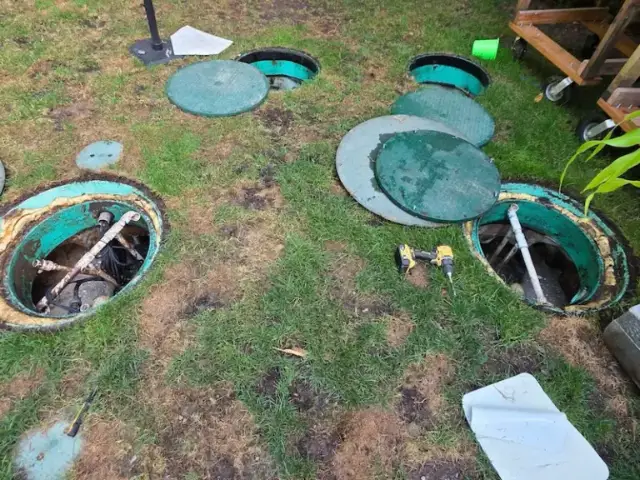
Septic near the lake
Septic systems close to a lake have less room for error. Setbacks from the shoreline limit where a drainfield can go, and groundwater near a lake tends to sit higher in winter. A drainfield that is overloaded or clogged with solids can send poorly treated wastewater toward the water. Regular pumping and inspection protect both your property and the lake.
Away from the shore, Martha Lake sits on glacial till like much of south Snohomish County. Older gravity systems on till can struggle in the wet months, and many have never been fully inspected.
What we fix most in Martha Lake
Most of our Martha Lake work is pumping and inspections on older systems, real estate inspections and site plans for sellers under the new county home-sale rule, and side sewer work for homes already on sewer. If your street now has sewer, we decommission it to county standards and file the report with the county once you connect.
Snohomish County requirements in Martha Lake
Martha Lake’s septic systems are regulated by the Snohomish County Health Department. Conventional gravity systems need an inspection every three years; pressure, mound and ATU systems need one every year unless the manufacturer requires more often. Because many systems here are older and close to the lake, those inspections are the best early warning a homeowner gets. We file each report with the county.
Selling a Martha Lake home on septic? Snohomish County’s property-transfer rule, in effect since November 1, 2026, requires a full inspection within the past 12 months (plus pumping if recommended), an as-built or site plan on file, and a Report of Property Transfer submitted before closing. The RPT is valid for 12 months. See our home-sale guide and as-built lookup guide.
Martha Lake areas we serve
- Around the lake: older lakefront and near-lake homes, some still on septic.
- Older neighborhoods off 164th Street SW: homes from before sewer arrived, many now converted.
- Toward Mill Creek: mixed sewer and septic on older lots.
- Toward Lynnwood and Alderwood: mostly sewered; we help with side sewer and line work.
The lake and the systems around it
Martha Lake is small, and the homes around it sit close together. That makes it a shared-water community: every septic system near the shore affects the same lake. A drainfield that is overloaded or full of solids sends poorly treated effluent toward the water, and the nutrients feed algae in late summer. Pumping on schedule, avoiding additives (which are prohibited unless specifically approved by the state) and keeping roof water off the drainfield are what keep lakeside systems working.
What the new county home-sale rule means here
Martha Lake has a lot of older homes changing hands, and Snohomish County’s new property-transfer requirements change how those sales work. In practice, a seller needs three things before closing: a recent full inspection, a drawing of the system on file, and the online Report of Property Transfer. If no as-built exists, a certified contractor has to prepare a site plan. Monitoring and maintenance specialists can draw site plans for any system type; pumpers can do them only for gravity or pump-to-gravity systems. Starting early keeps a missing record from delaying the closing.
Garbage disposals and older tanks
The Snohomish County Health Department doesn’t ban garbage disposals, but it doesn’t recommend them either. Food waste adds solids that sink to the bottom of the tank and shorten the time between pumpings, and older Martha Lake tanks are often smaller than today’s 1,000-gallon minimum. If you have a disposal, use it lightly, scrape plates into the trash, and pump more often.
When sewer is close by
Much of the area around Martha Lake is sewered, and sewer lines often run close to the remaining septic homes. Under state rules, if a septic system fails inside a sewer service area and the sewer is within 200 feet, you may have to connect instead of repairing it. If your system is aging, find out where the nearest sewer main is before you plan a major repair. When a home connects, the old tank must be pumped and then removed or filled in place, which we handle.
Side sewers along 164th Street SW
Homes that moved to sewer still own the pipe from the house to the main, and in Martha Lake’s older neighborhoods that pipe may be original. Roots, sags and broken joints cause backups that come back after every snaking. A camera inspection shows where the problem is, so the repair can be targeted instead of guessed.
Recent Martha Lake job: risers and lids so the digging stops
A Martha Lake homeowner was tired of having their tank lids dug up every time the system was serviced. They decided to add risers and lids, and we installed them so the lids now sit at the surface for seamless service from here on.
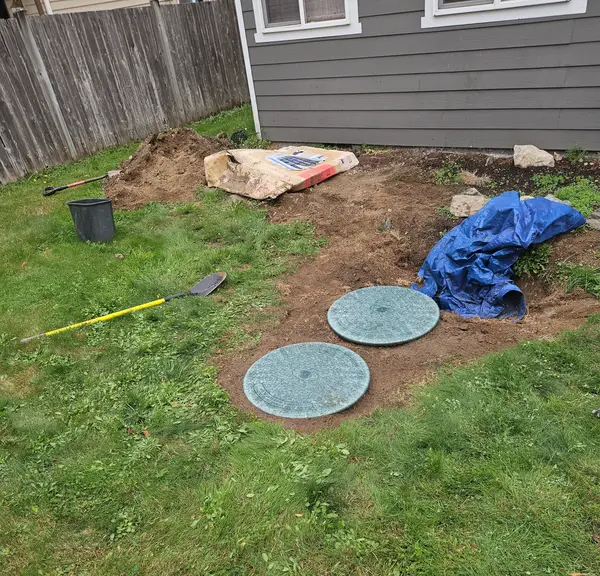
Risers pay for themselves in saved digging and make every pumping and inspection quicker. Our septic tank risers guide explains the benefits, and Snohomish County’s Savvy Septic program has offered rebates toward riser installation.
What septic service costs in Martha Lake
Routine pumping starts at $590, including a tank and baffle inspection and effluent filter cleaning (when the filter is reachable through a lid or riser), plus the county pumping report fee and tax. Martha Lake is close to our Woodinville office, so there’s no long-distance charge. Older tanks with buried lids or no risers can add digging time, and we’ll tell you before we come. See our pumping cost page for what goes into a quote.
Our crew in Martha Lake
Martha Lake is one of the closest Snohomish County communities to our Woodinville office, (206) 790-9392, up I-405 and the Bothell-Everett Highway. Our phones are answered 24/7. The $10/month maintenance plan gives you waived emergency fees, next-day emergency service, a yearly filter cleaning and system check, 10% off septic work, and pumping reminders. Martha Lake homeowners on our $10/month maintenance plan get emergency fees waived, next-day emergency service, a yearly filter cleaning and system check, 10% off septic work, and reminders when pumping is due.
Repairs come with the Septic Response Promise: a one-year warranty on most repairs, and if you call about work we have done, we are there the next day if not the same day.
/ Snohomish County
Martha Lake is in Snohomish County.
The Snohomish County Health Department keeps Martha Lake’s as-builts and septic reports. Many older lake-area homes have records in OnlineRME, and the county’s land use office can help when a drawing is missing.
/ Nearby communities
Do you serve all of Martha Lake?
Yes. We serve homes and businesses throughout Martha Lake and the surrounding area. Not sure? Call (206) 790-9392.
How often should a Martha Lake septic tank be pumped?
Most Martha Lake households pump every 3 to 5 years. Older, smaller tanks and homes that use a garbage disposal fill faster; Snohomish County says disposals are not prohibited but not recommended. We measure on every visit and tell you when the next pumping is due.
Do you file the pumping report?
Yes. We file it with the Snohomish County Health Department after every pumping.
Is Martha Lake on sewer?
Most of Martha Lake is on public sewer, but some older homes and near-lake properties still use septic systems.
Why does lake proximity matter for my septic?
Shoreline setbacks limit drainfield space and groundwater sits higher near a lake, so a failing system can affect water quality. Regular maintenance matters more.
Can you decommission my old septic tank after I connect to sewer?
Yes. Yes. We pump and decommission it to Snohomish County standards and file the report with the county.
What does a Martha Lake seller need under the new Snohomish County rule?
A full inspection by a certified contractor within the past 12 months (plus pumping if recommended), an as-built or site plan on file, and an online Report of Property Transfer before closing.
Are garbage disposals allowed on septic in Martha Lake?
Yes, but the Snohomish County Health Department does not recommend them. They add solids to the tank, so homes with disposals should pump more often.
Do septic additives help a Martha Lake system?
No. State rules prohibit additives unless they are specifically approved by the Department of Health, and they can add solids or harm the drainfield. Regular pumping is what keeps a system healthy.