
/ Carnation, King County
Septic service in Carnation, WA.
Septic pumping, inspections and repairs for homes and businesses in Carnation, from our Kirkland office. We file every pumping report with Public Health – Seattle & King County for you, and our phones are answered 24/7.
Your nearest office
Kirkland
672 7th Ave
Kirkland, WA 98033
(206) 962-2600
Phones answered 24/7
Carnation ZIP codes we serve: 98014
/ Services in Carnation
What we do in Carnation.
Septic Tank Pumping
About an hour on site, with the pumping report filed with the county every time.
Learn more →Septic Inspections
Routine and real-estate inspections, with reports filed within 24 hours.
Learn more →Septic Repair
Effluent pumps, alarms, floats, risers, lids, baffles and filters.
Learn more →Drainfield Repair
Distribution boxes, laterals, drainfield treatment and replacement.
Learn more →Maintenance & Monitoring
Routine O&M checks for pump, pressure and advanced systems.
Learn more →Jetting & Sewer Lines
Camera scoping and replacement of the line from your house to the tank.
Learn more →ATU, Oscar & Bio-Microbics
Aerobic treatment units, including Oscar and Bio-Microbics systems.
Learn more →Septic emergency in Carnation? 24/7 emergency septic service →
/ Septic in Carnation
Valley farms and hillside acreage, we know Carnation septic.
Carnation sits where the Tolt River meets the Snoqualmie, and almost everything about septic here comes back to water. Downtown Carnation is on the city sewer system, but the farms along the valley floor, the homes up on Tolt Hill and Stillwater Hill, and the lake communities around Lake Joy and Lake Marcel are on their own septic systems. Many of those systems are decades old, and they live with a high water table every winter. We pump, inspect and repair them all year.
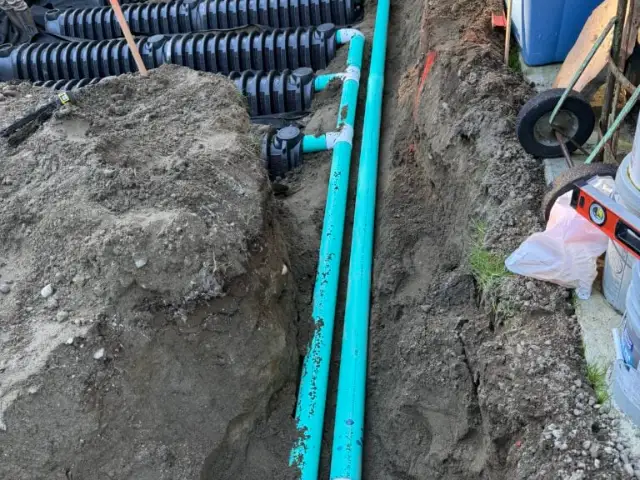
The two kinds of Carnation property
Valley floor homes and farms sit on river soils that drain well in summer but can be saturated from November through spring. The Snoqualmie floods regularly, and when water reaches the yard it can push into tanks with poor seals and leave drainfields waterlogged for weeks. These systems need the tank kept well below its limit so the drainfield is not overloaded when the ground is wet.
Hillside and plateau homes on Tolt Hill, Stillwater Hill and toward Ames Lake and Duvall are often on glacial till with a shallow layer of usable soil. Many have pressure distribution or mound systems with an effluent pump, floats and an alarm panel. Those parts need regular checks, and a pump that fails in a December storm needs fast service.
What we fix most in Carnation
After a flood or a long run of rain, our Carnation calls are mostly high-water alarms, slow drains and soggy drainfields. In summer it is overdue pumping and buried lids on older farmhouses that have not been opened in years. We also see roots in sewer lines on mature properties and crushed pipes where farm equipment or trucks crossed a drainfield. If floodwater has reached your yard, have the tank and pump chamber checked before you return to normal water use.
King County requirements in Carnation
Carnation is in King County, where Public Health – Seattle & King County oversees septic systems. Conventional gravity systems need an inspection at least every three years. Pressure distribution, mound, sand filter, ATU and drip systems are inspected more often, on the schedule the county and the manufacturer set. We file every pumping and inspection report with the county so your records stay current in OnlineRME.
If you are selling, King County requires a certified septic inspection before the title transfers, unless a recent report already covers it. Buyers should ask for the as-built and the last few pumping reports. Our King County as-built guide shows how to look up your drawing.
Carnation areas we serve
- Downtown and the Tolt River area: mostly on city sewer, but some edge-of-town lots and outbuildings still use septic.
- Lake Joy and Lake Marcel: lake and cabin homes where the shoreline and water table limit the drainfield, and full-time use often outgrows systems built for weekends.
- Tolt Hill and Stillwater Hill: acreage on shallow soil with pressure and mound systems and effluent pumps.
- Carnation Farms and the valley floor: farms and rural homes on the floodplain that need post-flood checks and careful pumping schedules.
Pumps and alarms on Tolt Hill and Stillwater Hill
Most of the pressure and mound systems up on Tolt Hill, Stillwater Hill and toward Ames Lake rely on an effluent pump, and the way that pump is controlled tells you what an alarm means. On a demand-dosed system, floats start the pump whenever the pump chamber fills. On a time-dosed system, a timer runs the pump for short, set periods around the clock, and the chamber stores extra water so the drainfield gets small, even doses instead of a surge. Time dosing is common on mound and sand filter systems built over shallow soil.
If your alarm sounds, cut water use right away, silence the buzzer without switching off the pump’s power, and check the breaker. On a timer system, a few hours of light use often lets the pump catch up and the alarm clears by itself, especially after a laundry day or a long storm. If it does not, or it comes back with normal use, call us. On a demand system, an alarm usually means the pump is not running when it should. Our septic repair page explains both and what a pump replacement involves.
Getting through a Snoqualmie flood
Valley floor properties around Carnation see high water most winters. When the river comes up, here is what protects your septic system:
- Before: know where your tank lids, pump chamber and alarm panel are. Make sure lids and risers are sealed and secured so floodwater cannot pour in or lift them.
- During: use as little water as possible. A flooded drainfield cannot take any more, and every flush pushes the tank closer to backing up into the house.
- After: wait until the ground has drained. Call us before having the tank pumped while the soil around it is still saturated, and have the tank, pump chamber, floats and electrical checked before returning to normal use. Keep people and pets away from any surfaced sewage.
Our guide to septic water in the yard covers what to look for afterward, and our power outage guide helps when a storm takes the power with it.
Lake Joy and Lake Marcel cabins
Many homes around Lake Joy and Lake Marcel began as weekend cabins and are now lived in year-round, sometimes with added bedrooms. Their septic systems were often designed for light use. Washington sizes tanks by bedroom count, with at least 1,000 gallons for up to four bedrooms and 250 gallons more for each additional bedroom (WAC 246-272A-0232), and owners are required to keep the flow at or below what the system was approved for. If your lake home has grown, have it inspected and measured more often, spread laundry through the week, and never drain a hot tub into the system. Near the water, a small problem left alone does not stay small.
Old farmhouse systems
Some valley farmhouses have septic tanks that predate modern standards: smaller tanks, concrete baffles and no effluent filter. Concrete baffles slowly corrode in the gases inside a tank until they crumble, and without an outlet baffle, solids flow straight out to the drainfield. We check the baffles every time we pump or inspect, and replacing a missing one with a PVC tee is a small repair that protects the most expensive part of the system.
Older properties are also where records go missing. King County keeps most as-builts on its online records map, but some drawings for homes built before the early 1970s are not online. You can email the county’s as-built help address with your parcel number and address; the county says it can take up to five business days. If no drawing exists, we usually probe for the tank, and use an electronic locator with a flushable transmitter when it is unknown or hard to find. We carry enough hose for every job, so the truck can stay on the farm road.
Protecting the drainfield on a working farm
Washington’s rules require owners to protect the drainfield and reserve area from compaction by vehicles and livestock, from buildings and paving, from grade changes, and from roof and footing drains (WAC 246-272A-0270). On a Carnation farm that means fencing the field out of pastures, keeping tractors, trailers and hay trucks off it, especially in the wet months, and keeping barn and paddock runoff away from it. King County recommends grass or native vegetation as the cover and advises against vegetable gardens on or near the drainfield.
A local septic team and help with costs
Public Health – Seattle & King County has been recruiting neighbors in Carnation, Fall City and a few other communities to join local Septic Teams that share information and answer questions about septic care (King County: maintaining your system). For larger costs, the county’s financial assistance page lists a septic maintenance and side sewer repair rebate program, Craft3 Clean Water Loans that can finance the full cost of eligible repairs, and programs for lower-income homeowners.
Signs your Carnation system needs attention
The classic warning signs are slow drains, gurgling, sewage odors, soggy or unusually green ground over the drainfield, and backups in the lowest fixtures. In Carnation, add two local ones. If your toilets slow down every winter and recover every summer, the drainfield is probably close to its limit when the water table is high. And if your pump alarm only goes off during storms, groundwater may be leaking into the tank or pump chamber through a cracked lid or riser. Both are worth a visit before they turn into a backup.
Carnation’s two seasons for septic work
The valley has a wet season and a work season. From about November to March, the ground is saturated, access to drainfields is soft and messy, and most calls are about alarms and slow drains. From late spring to early fall, the ground firms up, which makes it the best time for pumping before winter, adding risers, replacing lids, and any repair that means digging. If your tank is close to due, a September pumping leaves the system with the most room to spare going into the rainy months.
When is a Carnation tank due?
King County says septic tanks usually need pumping every 3 to 5 years, depending on water use, with larger households needing it more often, and that the sludge and scum measurements taken at an inspection should decide it. Gravity systems need a county inspection at least every three years, and pressure, mound, sand filter, ATU and drip systems are listed every 6 months unless the manufacturer requires more often. If you do not know when your tank was last pumped, check the county records map or ask us; on an older farm property, it is likely overdue. Our pumping schedule guide explains how to work out the right interval.
Everyday habits that help in the valley
A Carnation drainfield has the least room to spare in winter, so small habits matter. Spread laundry across the week instead of doing it all at once. Fix running toilets and dripping faucets; King County estimates a slow drip adds 15 to 20 gallons of wastewater a day. Flush only toilet paper, keep grease and wipes out of the drains, and skip septic additives, which Washington law prohibits unless they are specifically approved by the Department of Health. Our what not to flush list and our guide to how long a drainfield lasts have more.
Recent Carnation job: seepage outside the pump tank
A Carnation homeowner noticed wastewater seeping out of the ground next to their pump tank. We assessed the system, dug up the discharge line where it leaves the pump tank, and found the line broken. Every time the pump ran, effluent was escaping through the break instead of going to the drainfield. We replaced the line and restored service.
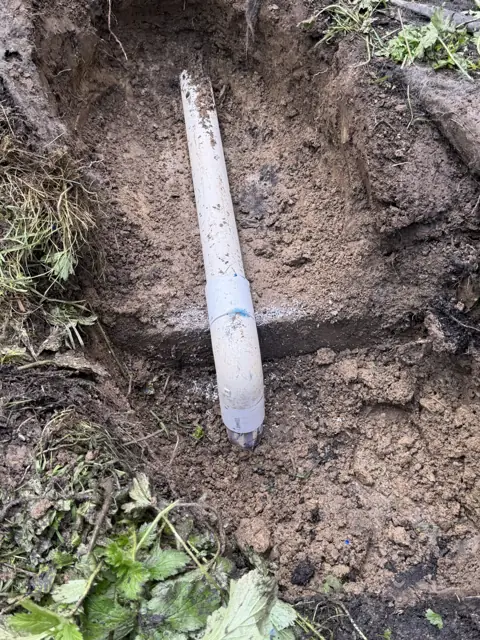
Wet ground or a sewage smell near a pump tank is worth a call right away, before the area gets worse. Our septic repair page covers broken lines, pumps and floats.
What septic service costs in Carnation
Routine pumping starts at $590, including a tank and baffle inspection and effluent filter cleaning (when the filter is reachable through a lid or riser), plus the county pumping report fee and tax. Carnation is a regular stop on our Snoqualmie Valley route from Kirkland, so most addresses carry no extra drive charge. Large tanks, extra compartments, or buried lids that need digging add to the price, and we tell you before we come. See our pumping cost page for what goes into a quote.
Our crew in Carnation
Carnation is served from our Kirkland office, (206) 962-2600. Our phones are answered 24/7, and if we cannot get to you the same night we will walk you through what to do until we can be there first thing in the morning. Carnation homeowners on our $10/month maintenance plan get emergency fees waived, next-day emergency service, a yearly filter cleaning and system check, 10% off septic work, and reminders when pumping is due.
Repairs come with the Septic Response Promise: a one-year warranty on most repairs, and if you call about work we have done, we are there the next day if not the same day.
/ King County
Carnation is in King County.
King County requires owners to keep septic systems maintained and inspected on a schedule that depends on the system type. We file pumping reports with Public Health – Seattle & King County and inspection reports within 24 hours, so your records stay current.
/ Nearby communities
Do you serve all of Carnation?
Yes. We serve homes and businesses throughout Carnation (98014) and the surrounding area. Not sure? Call (206) 962-2600.
How often should a Carnation septic tank be pumped?
Most households need pumping every 3 to 5 years, depending on tank size, household size and garbage-disposal use. We measure sludge and scum on every visit and tell you when the next pumping is due.
Do you file the pumping report?
Yes. We file it with Public Health – Seattle & King County after every pumping.
Is Carnation on sewer or septic?
Downtown Carnation is on the city sewer system. Most homes outside the core, including the valley farms, Tolt Hill, Stillwater and the lake communities, use private septic systems.
What should I do after the Snoqualmie floods my yard?
Limit water use, keep people off wet areas, and have the tank and any pump chamber checked before returning to normal use. Floodwater can enter the tank and leave the drainfield saturated.
Do you service mound and pressure systems in Carnation?
Yes. We service pumps, floats, alarms and pressure distribution and mound systems throughout the Carnation area.
What should I do with my Carnation septic system during a flood?
Use as little water as possible while the ground is flooded, keep away from any surfaced sewage, and call before having the tank pumped while the soil is still saturated. Once the water drains, have the tank, pump chamber, floats and electrical checked.
My Carnation lake cabin is now a full-time home. Is the septic system big enough?
It may not be. Washington sizes septic tanks by bedroom count, and owners must keep flow within what the system was approved for. Have the system inspected, pump based on measurements, and check before adding bedrooms.
Do you check the baffles when you pump a Carnation septic tank?
Yes. Every routine pumping includes an inspection of the tank and its inlet and outlet baffles, sludge and scum measurements, and effluent filter cleaning when the filter is reachable through a lid or riser.