
/ Snohomish, Snohomish County
Septic service in Snohomish, WA.
Septic pumping, inspections and repairs for homes and businesses in Snohomish, from our Woodinville office. We file every pumping report with the Snohomish County Health Department for you, and our phones are answered 24/7.
Your nearest office
Woodinville
23321 57th Ave SE
Woodinville, WA 98072
(206) 790-9392
Phones answered 24/7
Snohomish ZIP codes we serve: 98290, 98296
/ Services in Snohomish
What we do in Snohomish.
Septic Tank Pumping
About an hour on site, with the pumping report filed with the county every time.
Learn more →Septic Inspections
Routine and real-estate inspections, with reports filed within 24 hours.
Learn more →Septic Repair
Effluent pumps, alarms, floats, risers, lids, baffles and filters.
Learn more →Drainfield Repair
Distribution boxes, laterals, drainfield treatment and replacement.
Learn more →Maintenance & Monitoring
Routine O&M checks for pump, pressure and advanced systems.
Learn more →Jetting & Sewer Lines
Camera scoping and replacement of the line from your house to the tank.
Learn more →ATU, Oscar & Bio-Microbics
Aerobic treatment units, including Oscar and Bio-Microbics systems.
Learn more →Septic emergency in Snohomish? 24/7 emergency septic service →
/ Septic in Snohomish
Two rivers, a lot of septic, and a crew that knows both.
Snohomish sits where the Pilchuck River meets the Snohomish River, and that shapes almost every septic system around town. Downtown and the older neighborhoods are largely on city sewer. Step outside the city limits into Clearview, Machias, the Three Lakes area or the farm roads along the valley floor, and nearly every home runs on its own septic system. That is where most of our Snohomish work happens. The same valley pattern runs upriver on our Monroe septic page, and north of town our Lake Stevens septic service page covers the lakefront ATUs and pressure systems.
What the ground is like
Around Snohomish you get two very different sites. On the hills (Clearview, the plateau toward Maltby, the ridges above the Pilchuck) the soil is mostly glacial till: dense, slow-draining hardpan a couple of feet down. Water sits on top of it in winter, so a lot of these properties use pressure distribution or mound systems rather than a simple gravity drainfield.
Down in the valley the problem flips. River-bottom soils drain, but the water table rises close to the surface from November through spring, and parts of the floodplain see standing water. A drainfield that works perfectly in August can struggle in February. If your toilets slow down every winter and recover every summer, that pattern is the first thing we look at.
Systems we see most around Snohomish
- Gravity systems on older farm properties and older homes from the 1970s and 80s.
- Pressure distribution systems with an effluent pump, float switches and an alarm. Very common in Clearview and on the plateau.
- Mound systems where the native soil or water table left no room for a standard drainfield.
- Aerobic treatment units on newer builds and tight lots near the rivers and lakes.
Each of these has a different inspection schedule and a different set of parts that wear out. We service all of them, including effluent pumps, floats, alarms, risers and lids.
Snohomish County rules you should know
The Snohomish County Health Department asks owners to have gravity systems inspected every three years and alternative systems (pressure, mound, ATU and similar) every year, unless the manufacturer requires more. Every pumping and inspection we do gets filed with the county for you, so your record stays clean.
Selling a home here changed on November 1, 2026. Before closing, sellers now need a full septic inspection by a certified contractor within the past 12 months (plus pumping if it is recommended), an as-built on file or a new site plan, and a Report of Property Transfer filed with the county. If you are listing a Snohomish or Clearview home, book the inspection early. A missing as-built is one of the most common things that slows a sale down. Read our guide to the new home-sale rule.
The county’s Savvy Septic Program also offers rebates on inspections, pumping, risers and some minor repairs once you complete its free online workshop. It is worth the half hour.
Snohomish neighborhoods at a glance
- Clearview: plateau homes on dense glacial till, with many pressure distribution and mound systems.
- Machias and the Pilchuck: river-valley and hillside homes where winter groundwater and older tanks are the main issues.
- Three Lakes and Cathcart: acreage and lake-area properties with long runs to the tank and drainfield.
- Marsh Road and the valley farms: Snohomish River floodplain properties where the water table rises close to the surface every winter.
Signs your Snohomish system needs attention
Toilets that slow down every winter and recover every summer, gurgling drains, a pump alarm after heavy rain, or a wet, smelly spot over the drainfield all point to a system that needs a look. In the valley, so does any flooding that reached the tank. An inspection tells you whether it is a simple fix, such as pumping, a float or a lid, or something bigger.
Clearview pressure systems: timer or demand?
Clearview and the plateau toward Maltby are full of pressure distribution and mound systems, and every one of them depends on an effluent pump. How that pump is controlled changes what you should do when the alarm sounds. A demand-dosed pump is started by floats whenever the chamber fills. A time-dosed pump runs on a timer in short doses day and night, with the chamber storing extra water so the drainfield never gets a surge.
In either case, start by cutting water use, silencing the buzzer without switching off the pump, and checking the breaker. On a timer system, give it a few hours of light use; the alarm often clears as the timer catches up after laundry day or heavy rain. If it does not clear, or it returns with normal use, call us. On a demand system, the alarm usually means the pump is not running when it should, so call right away. Our septic repair page explains the difference and what a pump replacement involves.
Valley floods and the Pilchuck
Along Marsh Road, the valley farms and the low ground near the Pilchuck, high water is part of most winters. When floodwater reaches a septic system, the drainfield cannot take any more and the tank can back up toward the house. Keep water use as low as you can until the ground drains, stay away from any surfaced sewage, and call us before having a flooded tank pumped. Once the water recedes, have the tank, lids, risers and any pump chamber and wiring checked. Our guide to septic water in the yard covers the details.
Finding records for older farm properties
Many farmhouses and older homes around Snohomish were built long before anyone filed a septic drawing. Start with the county’s records: search your address in OnlineRME through the Health Department’s As-Built Records page, and if nothing shows up, the Land Use office in Everett holds older files. Our guide to finding your Snohomish County as-built walks through it.
If you are selling and there is no as-built on file, the county does not want you to hire a designer to draw one. Instead, a certified septic contractor completes an On-Site Sewage System Site Plan, ideally at the time of the inspection. The county notes that certified monitoring and maintenance specialists can create site plans for all system types, while certified pumpers can only do them for gravity or pump-to-gravity systems, so a Clearview pressure or mound system needs the right kind of contractor. Our home-sale guide explains the whole process.
What we check every time we pump
A routine Snohomish pumping includes sludge and scum measurements, an inspection of the tank and its inlet and outlet baffles, and effluent filter cleaning when the filter is reachable through a lid or riser, plus filing the report with the county. Baffles are the quiet heroes of a septic tank: the inlet baffle stops incoming flow from stirring up the scum, and the outlet baffle holds scum and sludge back from the drainfield. On older concrete tanks they often corrode away, and replacing a missing one is one of the best-value repairs there is. We carry enough hose for every job, which matters on long farm driveways and acreage.
Barns, pastures and drainfields
Around Machias, Three Lakes and the valley, many septic homes share their acreage with horses, cattle and equipment. Washington’s septic rules require owners to protect the drainfield and reserve area from compaction by vehicles and livestock, from buildings and paving, and from roof and footing drains (WAC 246-272A-0270). Fence the field out of pastures, keep trucks and tractors off it, especially when it is wet, and do not let barn or paddock runoff drain toward it. If you are not sure where the field is, find it on the as-built before putting up a new shop or arena.
Recent Snohomish job: septic pumping and a maintenance walkthrough
On a septic tank pumping in Snohomish, our tech took the time to walk the homeowner through best practices for septic maintenance while the tanks were open. Pumping is the routine part; helping the homeowner understand how to look after their system between visits is what keeps the next call routine too.
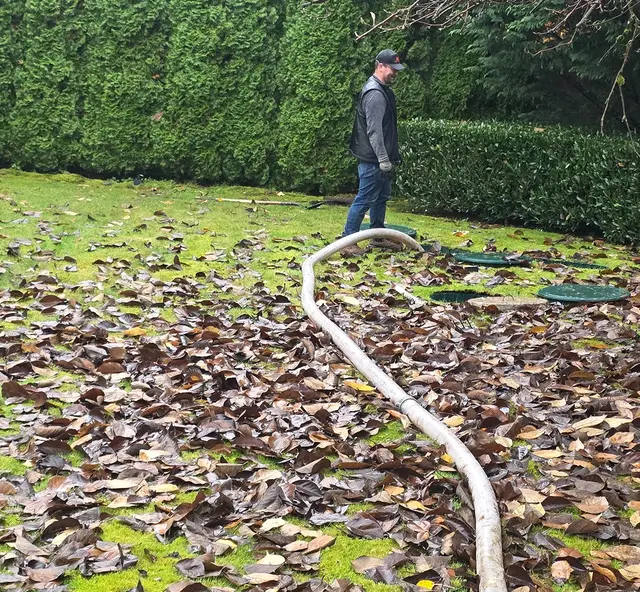
Want to know what happens on a pumping visit and how often your tank needs it? See our septic tank pumping page, or our $10/month maintenance plan for reminders and a yearly check.
Recent Snohomish job: a time-of-sale septic inspection
We completed a time-of-sale septic inspection for a home sale in Snohomish. Since November 1, 2026, Snohomish County requires a full inspection by a certified septic contractor within 12 months before a home on septic changes hands.
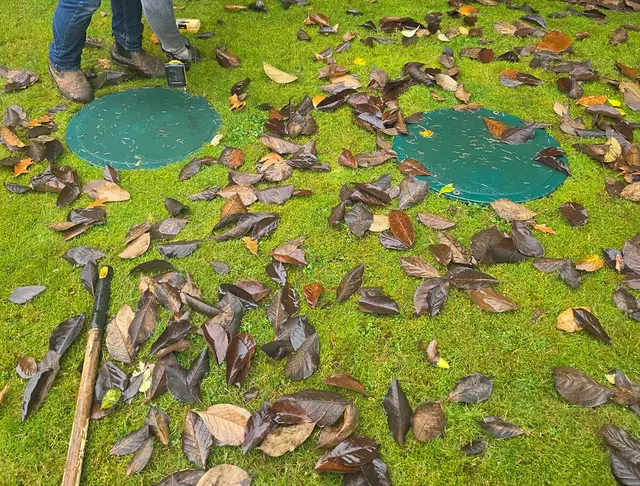
Selling or buying a home on septic? Our septic inspections page explains the new Snohomish County property transfer rules and what the inspection covers.
Recent Snohomish job: camera-scoping a drainfield lateral for roots
At a Snohomish home with root intrusion in the drainfield, we ran our camera through a drainfield lateral to find exactly where the roots were getting in. Pinpointing the spot first means the repair goes where the problem is, instead of digging up the whole field.
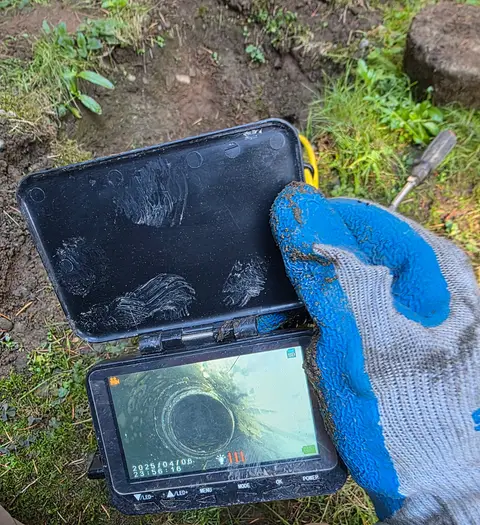
Roots are one of the most common reasons a drainfield slows down. Our drainfield repair page covers how we diagnose a field before recommending a fix.
Recent Snohomish job: recurring backups and a broken sewer line
A Snohomish homeowner kept having backups. We ran a camera through the sewer line between the house and the septic tank and found multiple broken spots. The previous installer had used thin-wall PVC, which is not meant to carry that kind of load underground, and over time the pipe cracked and failed. We replaced the sewer line and restored the system.
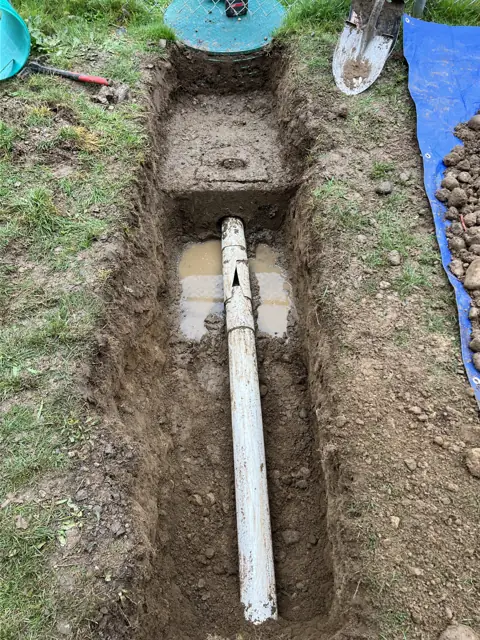
If backups keep coming back after a pumping, the problem is often the line to the tank rather than the tank itself. Our sewer line camera, jetting and replacement page explains how we find the cause before anything is dug up.
Rebates and help with costs
The Savvy Septic Program is one of the best deals going for Snohomish County septic owners. It offers rebates for inspections, pumping, riser installation and select minor repairs, plus financial help for major repairs and replacements, once you complete the county’s free online Septic Care Workshop (Savvy Septic Program). The county reports that 1,303 homeowners took the workshop and nearly 2,000 maintenance rebates were claimed between 2023 and 2025. Our $10/month maintenance plan adds a free annual filter cleaning and system check, no emergency fees, next-day emergency service and 10% off septic services.
Aerobic treatment units on newer and lakeside lots
Newer homes on tight lots, and properties near the rivers and the lakes around Three Lakes and Cathcart, sometimes have aerobic treatment units. An ATU adds air to the wastewater with a blower or aerator, so bacteria can clean it more thoroughly before it reaches the soil. That makes it possible to build on sites where a basic system would not work, but it also means more parts: a blower, filters, often a pump and floats, and an alarm. Snohomish County lists alternative systems like these for inspection every year, unless the manufacturer requires more often.
A few rules keep an ATU healthy. Never switch off the blower to save electricity. Keep the alarm connected. Go easy on bleach, harsh cleaners and grease, which upset the bacteria the unit depends on. And expect it to stop during a power outage; keep water use low until the power is back, and call us if the alarm does not clear afterward. If you are buying a home with one, our guide to buying a home with an ATU explains what to ask, and our ATU service page covers the systems we work on.
When is your Snohomish tank due?
The Snohomish County Health Department recommends pumping when a professional’s measurements say it is time, rather than on a fixed calendar. Some households need pumping every two years, others go five or more. If you have no record of the last pumping, check OnlineRME or call us; on an older farm property it is probably overdue.
What septic service costs in Snohomish
Routine pumping starts at $590, including a tank and baffle inspection and effluent filter cleaning (when the filter is reachable through a lid or riser), plus the county pumping report fee and tax. Snohomish, Clearview and Machias are close to our Woodinville office, so most addresses carry no extra drive time. Large tanks, long access and buried lids can change the price, and we tell you before we start. See our pumping cost page for what goes into a quote.
How we work in Snohomish
Our Woodinville office is just up the road, so Snohomish, Clearview and Machias are on our regular routes. On a typical visit we locate and uncover the tank, measure the sludge and scum, pump it, check the tank’s condition, and look at the pump chamber and alarm if you have one. You get a straight answer on what we found and when the next visit should be. Routine pumping starts at $590, including a tank and baffle inspection and effluent filter cleaning (when the filter is reachable through a lid or riser), plus the county pumping report fee and tax.
Every repair is backed by the Septic Response Promise: a one-year warranty on most repairs, and if you call us about work we have done, we are there the next day if not the same day.
/ Snohomish County
Snohomish is in Snohomish County.
Snohomish County requires owners to keep septic systems maintained and inspected on a schedule that depends on the system type. We file pumping reports with the Snohomish County Health Department and inspection reports within 24 hours, so your records stay current.
/ Nearby communities
Do you serve all of Snohomish?
Yes. We serve homes and businesses throughout Snohomish (98290, 98296) and the surrounding area. Not sure? Call (206) 790-9392.
How often should a Snohomish septic tank be pumped?
Most households need pumping every 3 to 5 years, depending on tank size, household size and garbage-disposal use. We measure sludge and scum on every visit and tell you when the next pumping is due.
Do you file the pumping report?
Yes. We file it with the Snohomish County Health Department after every pumping.
Is my Snohomish home on septic or sewer?
Most homes inside the older city limits are on sewer. Most homes in Clearview, Machias, the Three Lakes area and the rural valley are on septic. Your property tax statement or the county’s as-built records will confirm it, or call us and we will check.
Why does my septic system act up every winter?
Around Snohomish the water table rises close to the surface from late fall through spring, and glacial till on the hills holds water on top. A drainfield that is already tired shows it first in wet months. We can inspect the tank, pump chamber and drainfield and tell you whether it needs maintenance or repair.
I am selling a home near Snohomish. What septic paperwork do I need?
Since November 1, 2026, Snohomish County requires a full inspection by a certified contractor within the past 12 months, pumping if recommended, an as-built or site plan on file, and a Report of Property Transfer before closing. We do the inspection and file the report, and we will tell you up front if your as-built is missing.
Do you serve Clearview, Machias and Cathcart?
Yes. We serve Snohomish (98290 and 98296), including Clearview, Machias, Cathcart, the Three Lakes area and the valley farms. Call (206) 790-9392.
Can I get a rebate for septic service in Snohomish?
Possibly. Snohomish County’s Savvy Septic Program offers rebates on inspections, pumping, risers and some minor repairs after you complete its free online workshop. Ask us when you book.
Who can make a septic site plan for a Snohomish home sale?
If no as-built is on file, a certified septic contractor completes an On-Site Sewage System Site Plan. Snohomish County notes that certified monitoring and maintenance specialists can do this for all system types, while certified pumpers can only do it for gravity or pump-to-gravity systems.
Can horses or livestock be kept on a septic drainfield?
No. Washington rules require owners to protect the drainfield and reserve area from compaction by vehicles and livestock. Fence the drainfield out of pastures and keep equipment off it.
What does septic pumping in Snohomish include?
Routine pumping includes sludge and scum measurements, an inspection of the tank and baffles, effluent filter cleaning when the filter is reachable through a lid or riser, and filing the pumping report with the county.